Steady in Motion: Sensory Micro‑Practices for Every Commute
Step into your next ride with simple, science‑informed ways to settle and focus. We explore sensory micro‑practices to ground yourself during commutes, transforming crowded cars, buses, trains, and sidewalks into tiny pockets of calm. Expect quick, discreet techniques using breath, sight, sound, touch, scent, and taste, designed for real schedules, real bodies, and real constraints, so you arrive more present, kinder to yourself, and ready for what matters next.


Why Grounding on the Go Works

Breath as a Tiny Anchor
Let your exhale be slightly longer than your inhale, matching it to passing streetlights or station pillars. This ratio breath quietly invites the body toward calm without drama. If it helps, imagine fogging a window with the out-breath. Repeat for three cycles, notice shoulders loosen, and then return to neutral breathing. No special posture required, just a gentle, steady cadence that meets the moment realistically and kindly.

Posture and Micro‑Release
Scan from jaw to shoulders to hands and find one small, safe release. Unclench the tongue from the roof of your mouth, let shoulders drop a centimeter, or soften grip pressure by ten percent. These micro‑adjustments interrupt tension spirals before they grow. Pair the release with a quiet breath and a whispered mental note like “softer now.” Celebrate the change, however tiny, reinforcing agency even inside a crowded car or rumbling carriage.

Pause Points Between Stops
Use predictable pauses—doors opening, a stop sign, a crosswalk beep—as invitations to reset. During each pause, gently name one sensation you feel, one thing you see, and one intention for the next minute. Keep it fast and light: “cool air,” “blue jacket,” “travel patiently.” These micro‑checkpoints create rhythm inside chaos, transforming the commute into segments you can meet with care, rather than one long blur that drains attention and mood.
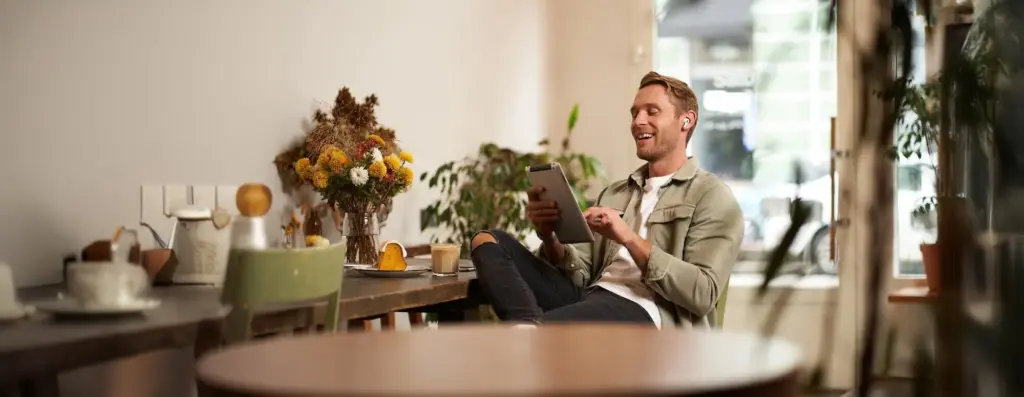



See with Fresh Eyes
Visual attention shapes how stress lands. Narrow, fixated gazes can amplify tension, while soft, panoramic viewing helps the body read the scene as safer and more spacious. Use playful visual anchors to steady presence on the move: notice color clusters, follow shadows sliding across the floor, or trace horizon lines through windows. Even in tunnels, practice a gentle sweep of peripheral vision, letting details wash through without grasping. You’ll likely feel your breath deepen naturally.
Listen for Steadiness
Soundscapes can overwhelm or regulate. Instead of resisting every noise, practice choosing how you relate. Map layers of sound, from the low engine hum to distant conversations and your own breathing. Deliberate listening interrupts spirals of frustration by inviting discernment. Add humming under your breath or silently in your chest for gentle resonance. Or curate brief audio that supports presence, not escape. The goal isn’t silence; it’s relationship—meeting noise with skillful attention that softens the body.
Count the Layers of the Soundscape
Without judging, detect three to six distinct layers: machinery, footsteps, voices, announcements, wind, and your breath. Name each layer once, then return to the whole. This expands attention and eases fixations on singular irritants. If a loud sound spikes, acknowledge it, feel your feet, lengthen your exhale, and relocate one gentler layer to rest on. Like a mixer board for your ears, you choose what receives presence, moment by moment, with kindness.
Quiet Humming for Gentle Resonance
Hum softly with your mouth closed, or imagine the vibration if sound isn’t appropriate. Aim for a comfortable pitch that produces a warm chest or lip buzz. Pair with slow exhales and keep it discreet to respect others. Many people report subtle calm spreading through face and neck. Try three hums between stations. If self‑consciousness arises, smile inwardly and continue mentally. The point is soothing rhythm, not performance or volume, and certainly not perfection.
A Two‑Song Reset That Actually Fits
Create a two‑track playlist: one grounding piece with steady rhythm, one uplifting piece that gently brightens mood. Use it sparingly so it stays effective. When stress spikes, press play, feel your breath match the groove, and scan for softening in shoulders and jaw. When the second song ends, pause and notice the afterglow. This compact ritual respects time while delivering real nervous‑system relief, turning your commute into deliberate practice rather than passive endurance.
Touch, Weight, and Small Movements
Physical contact and proprioceptive cues are powerful regulators. Simple pressure, weight awareness, and tiny isometric actions can calm the body discreetly. Tune into how your shoes meet the ground, how your back leans against a seat, or how palms wrap a strap. You’re already moving; let that movement become medicine. These practices are invisible to others, respectful of shared space, and refreshingly portable, requiring nothing but what you already carry: your body, attention, and compassion.
Ground Through the Soles
If standing, feel the triangle of support under each foot—big toe mound, little toe mound, heel center. Gently press and release through those points with micro‑pulses synced to your breathing. If seated, plant feet and imagine roots growing into the floor. This anchors attention and diffuses jittery energy. Notice how even a crowded carriage feels more negotiable when your base is clear. Return to it whenever balance, patience, or confidence feels thin.
A Pocket Stone or Textured Token
Carry a small, smooth stone, a textured key cover, or a braided zipper pull. Roll or tap it gently, exploring temperature, edges, and weight. Name three sensations, then let your breath match the exploration pace. This tactile anchor offers privacy and reliability, especially when visual focus is impossible. Keep it clean, pocket‑ready, and meaningful. Over weeks, simply touching the token may cue steadiness automatically, turning your commute into a practiced, friendly environment for your nervous system.
Invisible Isometrics for Calm Strength
Engage tiny muscle contractions without visible movement: press palms together lightly, squeeze glutes for two breaths, or press knees outward against a bag gently. Release completely between efforts. These micro‑efforts provide grounding pressure and a sense of capability without disturbing neighbors. Pair contractions with intentional exhales to reinforce relaxation afterward. Think of it as quiet strength training for regulation—subtle, respectful, and immediately accessible whenever tension mounts or impatience starts leaking into posture and expression.
Scent and Taste as Gentle Cues
Travel‑Friendly Aromas, Used Thoughtfully
If scent is appropriate, carry a personal inhaler, scented tissue, or a dab on a wrist hidden under a sleeve. Inhale gently for two breaths, then stash it away. Keep choices light and noninvasive. Rotate options to avoid desensitization. If others seem sensitive, skip it entirely and shift to tactile anchors. The aim is kindness to yourself and your community, proving that regulation can coexist beautifully with courtesy on buses, trains, rideshares, and sidewalks everywhere.
Savor a Single Mint with Full Attention
Place a small mint on your tongue and track the temperature, fizz, and flavor arcs as they evolve. Match three slow exhales to the changing intensity, then notice the moment it softens. This focused tasting interrupts worries decisively. If gum suits you better, chew slowly and sync your jaw rhythm with breath. Either way, you’re retraining attention to prefer present‑moment detail over anxious predictions, building steadiness one refreshingly ordinary bite at a time.
Pair Breath with a Signature Scent Cue
Choose one scent for calming and always pair it with the same breath shape, like a four‑count inhale and six‑count exhale. Over days, the association tightens; simply smelling the aroma primes your body for that steadier rhythm. This is conditioning for good, leveraging memory pathways compassionately. Use it sparingly to maintain potency. When plans derail or delays stack up, one discreet whiff plus one known breath can reset your inner dial gracefully and quickly.

A Two‑Minute Map for Your Route
Sketch your trip and assign one practice to each segment: breath at departure, visual soften mid‑route, tactile anchor near arrival. Keep it extremely simple so it survives busy mornings. Review the map once before leaving. The structure reduces decision fatigue and builds momentum. If a segment disappears or plans shift, substitute any single exhale‑lengthening cycle. The point is continuity, not performance. You’re creating muscle memory for care inside everyday movement.

Habit‑Stacking with Existing Cues
Attach practices to what already happens: when the door closes, release your jaw; when the bell rings, widen your gaze; when the train slows, check your feet. These links demand no extra remembering. Celebrate each successful pairing with a tiny internal “yes,” reinforcing the loop. If one link breaks, repair gently and resume. Over time, stacked habits become a supportive scaffold that carries you through unpredictability with steadier breath, kinder posture, and friendlier inner dialogue.
All Rights Reserved.